YLoveBigCats.com

Extinction(s) on French TV (France5)

(August 1st, 2010)

Some species of mammals are clearly confronted with the immediate risk of extinction. And, when I shoot photos of some of these at the other end of the world, I am often shocked by the immense chance I have to be able to still see these animals free in the wild for the years they have left.

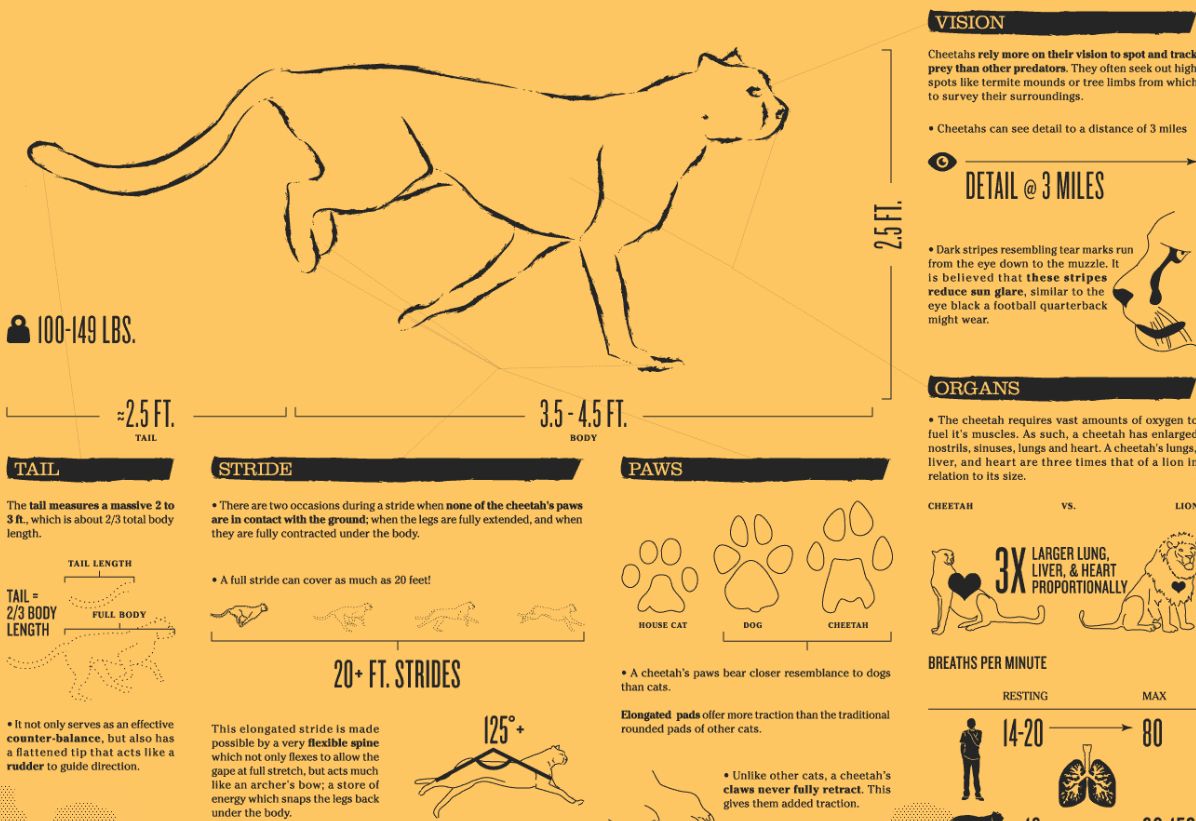
For example, cheetahs were submitted to a major event of reduction in genetics diversity during the last Ice Age (less than 10,000 animals fought for survival during thousands of years). Today, the enormous competition pressure brought by Man and “its civilization”, on top of the stark competition from other carnivorous mammals (like hyenas), will most certainly bring cheetah out of the African savannas in a few years (maybe less than 20 years).

Tigers are also in a nearly desperate situation today: The last wild animals are already living in relatively small Reserves where, even free in the wild, they have become tourism subjects without being fully protected from poaching or illegal culling.

extinctions

This is the context when Frédéric Lepage created a series of TV documentaries about a few emblematic species (cheetah, orangutan, tiger, elephant, jaguar, polar bear): Extinctions

I strongly recommend your being in front of the TV (France 5, French TV channel), to watch the episode for Tiger, on Friday 6 August 2010 at 20h30.

I’ve got a tiger in the house

(July 25th, 2010)

Right! But it may not be a real one. Some Chinese people seem to find it nice to transform/disguise their dogs into other animals. Sometimes, it’s a panda, but here it is a fake tiger.

fake_tiger_dog_1

fake_tiger_dog_2

Source: Daily Mail.

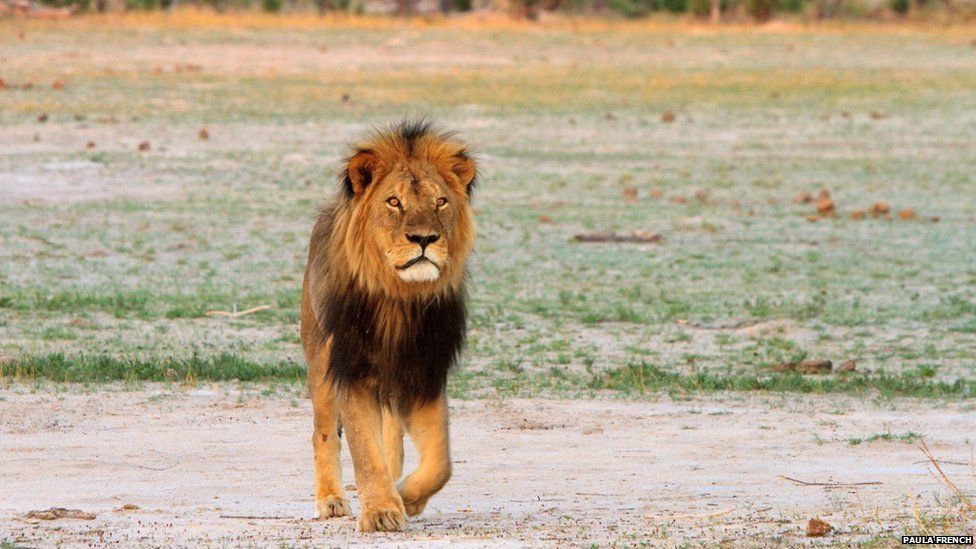
Caged lion

(July 7th, 2010)

caged_lion

Jaguars of all colors

(May 26th, 2010)

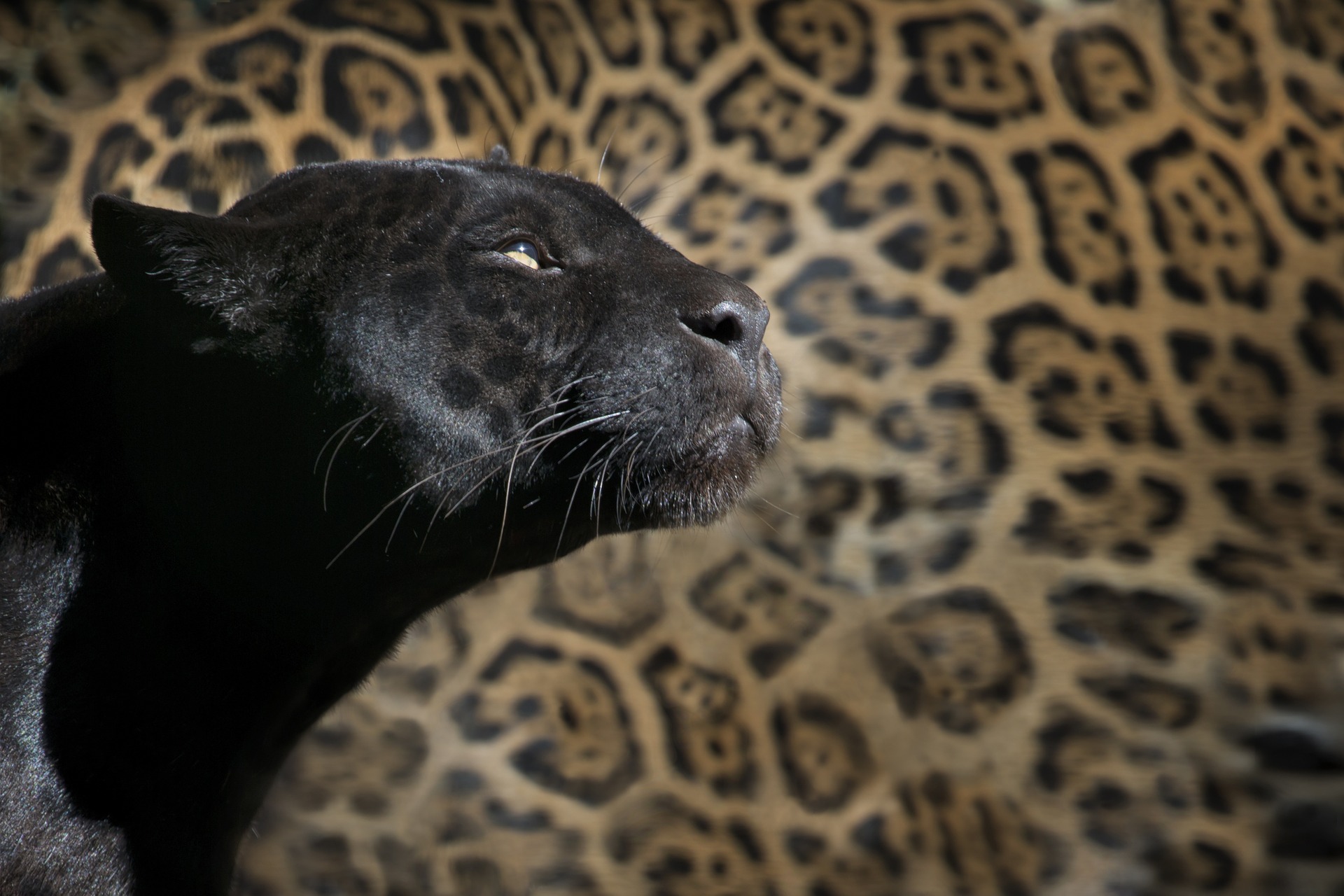
Most people know that leopards may have a nearly completely black hide (they are often named black panthers, but it’s the same animal). As a matter of fact this comes from a small genetic variation (a receessive allele) quite common in big cats. And we tend to forget that this can happen in many other big cats species.

Here is a femal jaguar, Lolo, and her newborn cub in Jordan’s zoo, in Canada. And, as you can notice, the young cat, proud of his spotted hair, is pleased to crush his mother under niceties and small bites.

jaguar6
jaguar7
jaguar1
jaguar8
jaguar9
jaguar5
jaguar2
jaguar4
jaguar3

Via Winnipeg Sun. Photos Ali Jarekji/REUTERS.

Serval babies

(May 19th, 2010)

Three baby servals born at the Adelaide zoo.


YouTube link

Cheetahs play, then free the antelope

(May 12th, 2010)

Actually, the story is not as simple as it may seem, but this is the way it was presented in the Daily Mail.

As often happens in the wild, young cheetahs (or other young predators) have to learn how to catch and how to kill. In many cases, this goes very fast (think about the birds learning to fly when they first try). But cheetahs are known for spending some time at it. Mothers may catch a prey and teach young ones how to kill. Things may take time and the animals seem to be playing with the prey.

cheetah_impala_love

The Daily Mail just forgot to provide the real end of the story: The baby impala did not leave the premises alive. It may happen sometimes, not often, but here it was finally killed and eaten.

The photos were shot by Christine and Michel Denis-Huot, clearly some of the very best wildlife photographers in France (Christine is also commonly leading some photo safaris in Africa, you may find information on their web site).

Note: Impalas are really the most common food for cheetahs, probably because of their size (and large numbers in many parts of East and South of Africa).

25 “Big Cat” Pictures

(May 5th, 2010)

WebEcoist assembled some nice photos of the nicest big cats.

  • Tiger
  • White Tiger
  • Lion
  • Leopard
  • Black panther
  • Cheetah
  • Puma
  • Snow Leopard
  • Lynx
  • Caracal

Snow leopard photos from India

(April 28th, 2010)

The Snow Leopard Trust organizes several scientific works related to the snow leopard. In India, Rishi Sharma pilots a program of camera traps aimed at snow leopards. They produced quite superb images, obviously because they were setup not only with data-collection in mind.

4166873997_7cc154dd0c

4167637284_dac88b3da8

Via Snow Leopard Trust.

Photos of Barbary Lions

(April 21st, 2010)

the Barbary Lion, sometimes named Atlas lion or Nubian lion, Panthera leo leo, is a sub-species of African lions which lived in the Atlas mountains (Morocco, Algeria, mainly). It is now totally extinct out of some zoos. But it seems that it was a great animal with a truly impressive look.

Honoring its memory, I collected a few images from the world wide web:


lion_atlas lion_atlas_zoo
georges_frederic_rotig
lion_atlas-5
lion_atlas-3
jeunes_atlas
lion_atlas-2 Les lions Atlas

Leopard in a car

(April 14th, 2010)

We knew dogs who loved wind and were hanging out the window of their owner’s car. Here comes their friend the leopard…


YouTube link


http://www.ylovebigcats.com/

Copyright (c) 2008-2010 - Yves Roumazeilles (all rights reserved)

Latest update: 30-aug-10

Google.com
YLoveBigCats.com
YLoveBigCats.com