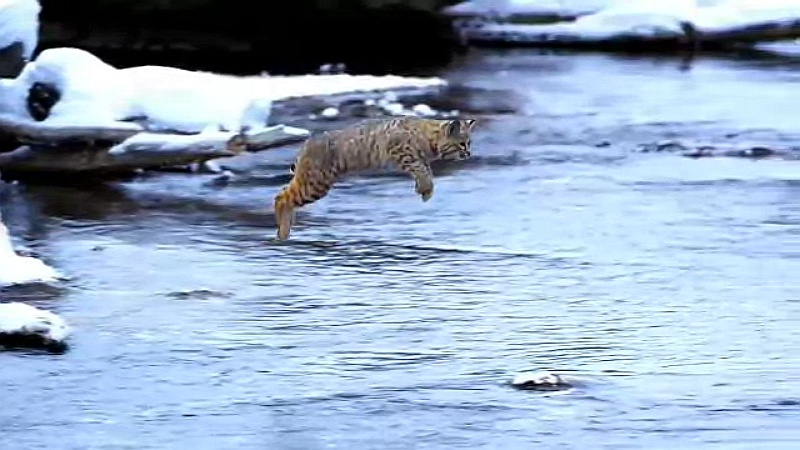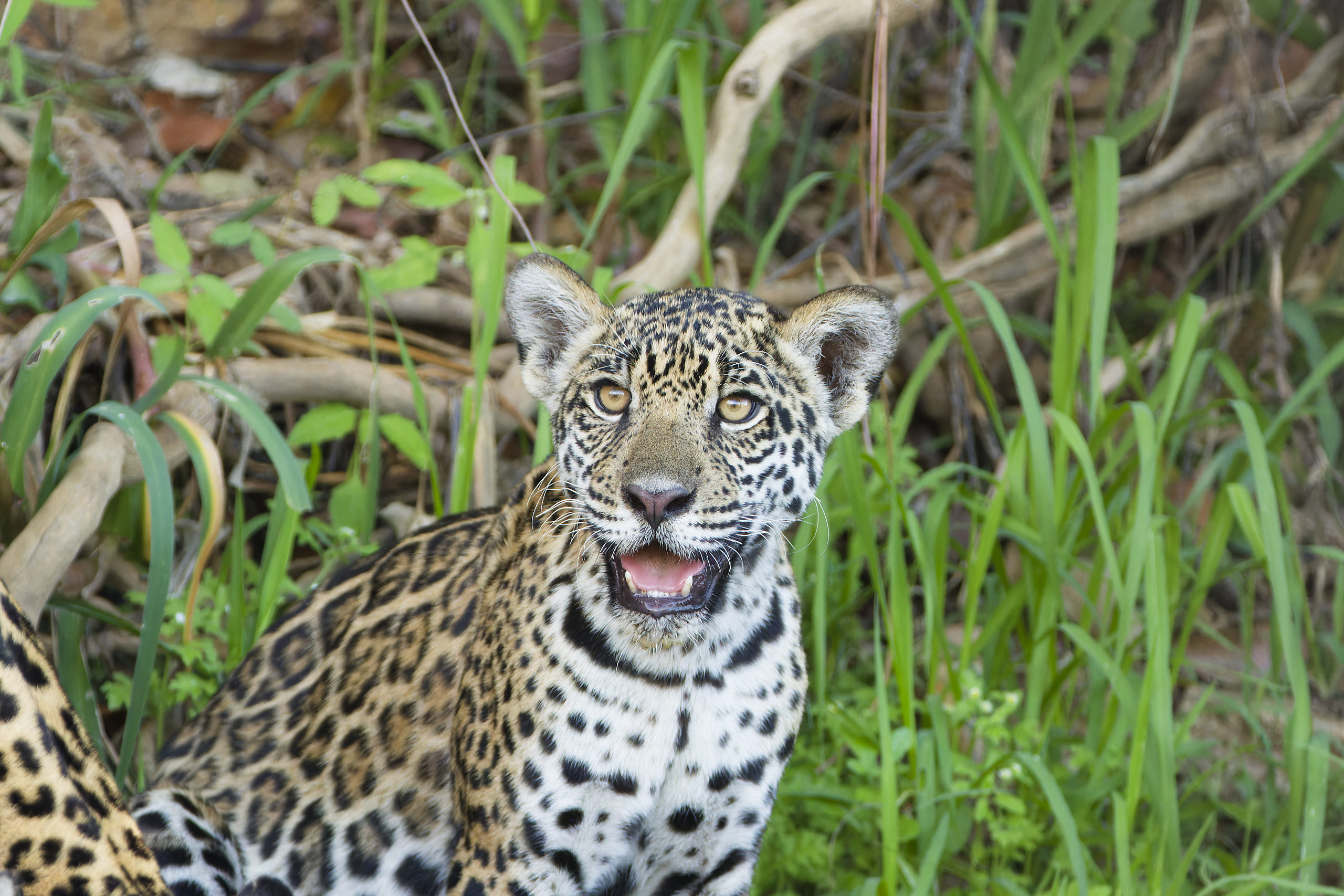
Cheetah and cubs
(November 20th, 2008)
|
Click on the thumbnails to enlarge them |
|
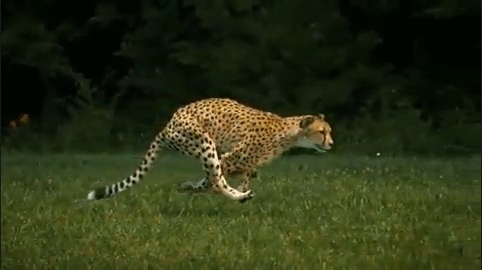
Cheetah (Acinonyx jubatus, Guépard, Guepardo), Masai Mara, Kenya, September 2008.
(November 20th, 2008)
|
Click on the thumbnails to enlarge them |
|
Cheetah (Acinonyx jubatus, Guépard, Guepardo), Masai Mara, Kenya, September 2008.
(November 20th, 2008)
Found in the North of Israel, here is a shaman buried 12,000 years ago, with some significant grave offerings:
Right! The leopard does not seem in very good company, but it must have been quite a burial.
Source: Science Blog.
(November 19th, 2008)
Super!
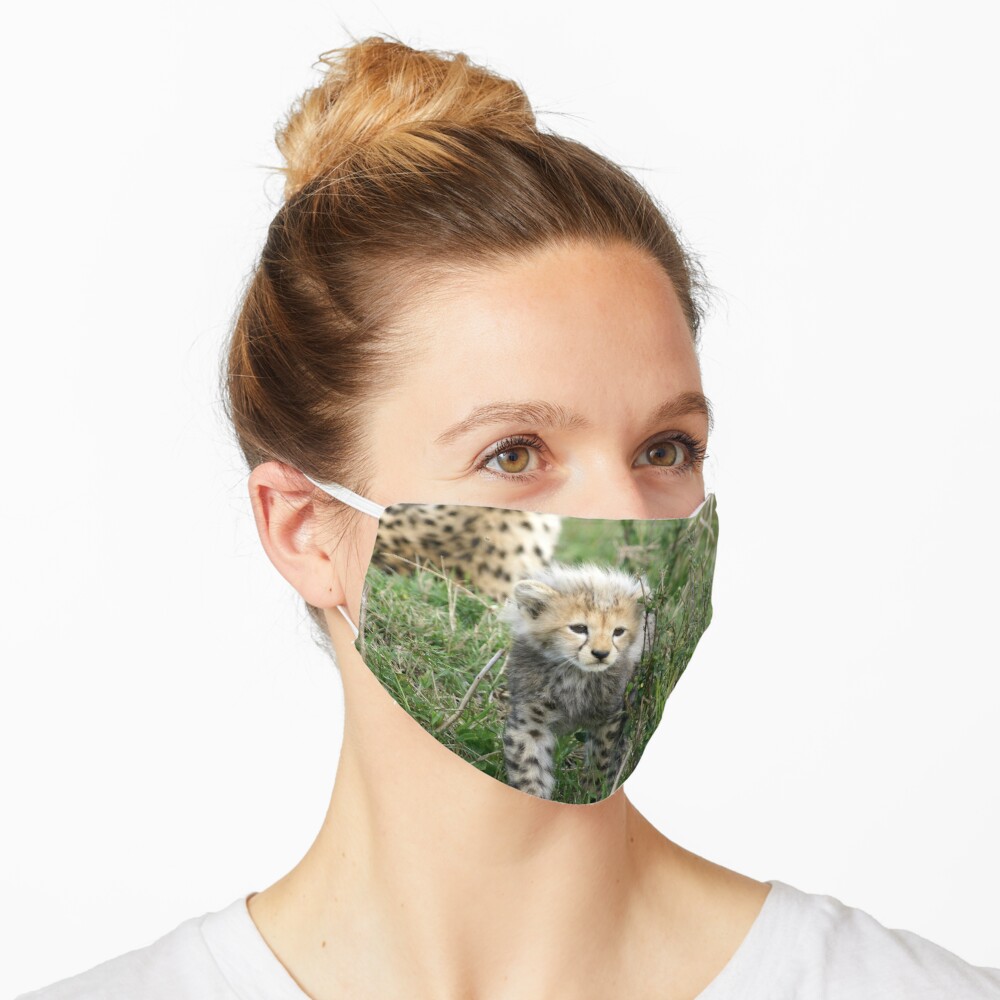
While in Kenya, I found a little cheetah family: A mother and her 5 cubs (only a few weeks old).
|
Click on the thumbnails to enlarge them |
|
Cheetah (Acinonyx jubatus, Guépard, Guepardo), Masai Mara, Kenya, September 2008.
Unfortunately, from what I heard, three of the cubs have been killed by hyenas a few days after we left Kenya. Wonderful little furry animals are not only cute; They are a prey for larger less nice predators.
The other cubs will grow up to become very fast killers, too.
(November 18th, 2008)
The Sabertooth cat (Smilodon fatalis) is definitely the most famous fossil big cat. Armed with impressive canines, it was certainly quite a sight. These teeth were probably powerful weapons. But they don’t tell us anything about other non-fossilized issues, like the colour of its coat or its social behaviour.
But, here comes a little surprise. As a matter of fact, it is possible to identify some elements of its behaviour, despite the millions of years between us and them.
The Biology Letters of Royal Society dated 28 October 2008 published the results of a very interesting scientific study. Observing that -today- the calls of a wounded animal tend to attract predators from quite far, but that species with a strong social bond (living in group) are attracted more than others, they went back to the sabertooth cat fossils of the amazingly rich site of Rancho La Brea in California. There, scientists have found a large quantity of sabertooth cats and their victims stuck in the tar pits that helped preserve their fossils (in large quantities). The observation of the proportion of these fossils becomes a strong argument for a Smilodon fatalis with a very social behaviour and attracted by the carcasses of herbivore animals stuck in marshes or tar pits.
Think about it. Not only was the animal an impressive sight, but it probably hunted in groups, maybe like lion prides of modern Africa! I would have liked to go on photo safari to find them.
Source: Blog Science.
(November 16th, 2008)
This superb animal has a great hpto group on Flickr. Here, there are beautiful images coming from either animals kept in world’s zoos, or photos taken by the Snow Leopard Trust which is currently working to protect the snow leopards (Uncia uncia) in the wild (in Central Asia, Mongolia).
(November 15th, 2008)
It was a Delta Airlines flight from Portland to Atlanta (in the USA) which whose transporting two cheetahs in a cage in the luggage sotre of the plane. But a luggage worker was faced with one of them freely wandering out of cage.
The Atlanta zoo provided its support to tranquilize the animals and allow collecting the luggages in conditions more in line with the usual work conditions of the airport.
Source: MSNBC.
(November 10th, 2008)
Click on the thumbnails to enlarge them
Lion (Panthera leo, Lion, León), Masai Mara, Kenya, September 2008.
(November 8th, 2008)
When you are the rarest wild big cat, you deserve some unusual attention. This is what explains the special treatment of the Amur Leopard or Far Eastern Leopard (Panthera pardus orientalis). It is widely considered as the single most endangered species of big cats with less than 50 individuals living in the wild (and only 10 to 15 females among them).
Because of this status, in order to evaluate very precisely the medical condition of the population, the Wildlife Conservation Society (WCS) and the Russian Academy of Sciences Institute of Biology and Soils (IBS) captured one female Far Eastern leopard in Primorsky Krai along the Russian-Chinese border. The aim is to do a medical checkup and to study the effects of the intense inbreeding of such a small animal population.
The animal, nicknamed “Alyona”, is in good health for its 8-10 years of age, but with a slight heart murmur that may be indicative of a genetic condition since it was also shared by other animals captured in 2006 and 2007 for the same reasons. It has already been released.
Source: Science Blog.
PS: Did you see the lovely eyes of this leopard?
(November 5th, 2008)
The big cats that we know today are but an image of the species appeared then disappeared during the last 60 million years. Of course, I think of the famous saber-toothed tiger of our youngest years, but it is not alone.
“The Big Cats and Their Fossil Relatives” of Alan Turner, illustrated by Mauricio Anton, is one of the enthralling books you sometimes find on a shelf. It simply browses through these dead speacies of big cats. I would have liked to find them in a photo safari, for sure:
A book that is read like a novel and is still a scientific work aimed toward a large reading public willing to know more about the big cats of prehistoric times, their evolution, their links with today’s big cats.
(November 2nd, 2008)
This fable is actually balanced heavily in favor of the lion. She was able to hunt this gnu (wildebeest) and we found her while she was eating.
Other images of this series on www.roumazeilles.net.
Lion (Panthera leo, Lion, León), Masai Mara, Kenya, September 2008.
Copyright (c) 2008 - Yves Roumazeilles (all rights reserved)
Latest update: 19-nov-08